Author

admin

Browsing

Royal Gold (NASDAQ:RGLD) has announced plans to acquire Sandstorm Gold (TSX:SSL,NYSE:SAND) and Horizon Copper (TSXV:HCU,OTCQB:HNCUF) in a pair of deals valued at a combined US$3.7 billion.

The companies involved confirmed the transactions in back-to-back press releases on Monday (July 7).

Royal Gold will acquire Sandstorm Gold in an all-share transaction worth approximately US$3.5 billion, and will separately acquire Horizon Copper for US$196 million in cash.

The deal will consolidate three complementary portfolios into a single entity operating under the Royal Gold name, with 393 royalty and streaming interests, including 80 cash-flowing assets. Upon closing, Sandstorm shareholders will own 23 percent of the newly combined Royal Gold, with existing Royal Gold shareholders retaining 77 percent.

Sandstorm President and CEO Nolan Watson called the announcement “a significant milestone.’

“This transaction rewards Sandstorm shareholders in the near term while also offering a compelling opportunity to own a large-scale, world-class streaming and royalty company with continued upside potential,” he said. “Joining forces with Royal Gold will amplify the strengths of Sandstorm’s portfolio and unlock new opportunities for our shareholders.”

The resulting pro-forma Royal Gold will be heavily weighted toward precious metals, with gold contributing 75 percent of 2025 revenues. Its portfolio will span North and South America, Africa and select operations in Asia and Europe.

The expanded company will also inherit exposure to a pipeline of high-profile development assets, including the MARA copper-gold project in Argentina by Glencore (LSE:GLEN,OTC Pink:GLCNF), Hod Maden in Turkey by SSR Mining (TSX:SSRM,NASDAQ:SSRM,ASX:SSR), Platreef in South Africa by Ivanhoe Mines (TSX:IVN,OTCQX:IVPAF) and the Warintza copper project in Ecuador under Solaris Resources (TSX:SLS,NYSEAMERICAN:SLSR).

Another notable addition is the Mount Milligan mine in BC, where Royal Gold holds rights to significant gold and copper streams. The site, operated by Centerra Gold (TSX:CG,NYSE:CGAU), is expected to produce up to 185,000 ounces of gold and 60 million pounds of copper in 2025.

Royal Gold will also strengthen its interests in assets like the Cortez Complex and Pueblo Viejo mine. Jointly owned by Barrick Mining (TSX:ABX,NYSE:GOLD) and Newmont (TSX:NGT,NYSE:NEM), Pueblo Viejo’s plant was recently expanded; output is targeted at an average of 800,000 ounces of gold annually on a 100 percent basis through the mid-2040s.

Also included is a 1.66 percent net profit interest in Antamina, a major copper producer in Peru operated by a Glencore-led joint venture. A US$2 billion expansion was recently approved to extend mine life through 2036.

Securities Disclosure: I, Giann Liguid, hold no direct investment interest in any company mentioned in this article.

This post appeared first on investingnews.com

Mining giant BHP (ASX:BHP,NYSE:BHP,LSE:BHP) has been ordered to pay 2,200 of its Central Queensland coal miners an average of AU$30,000 more following a ruling from the Fair Work Commission (FWC).

The ruling stems from a case brought by the Mining and Energy Union and the Australian Manufacturing Workers’ Union against BHP. It was centered on 2024’s Same Job, Same Pay reforms.

The unions argue that BHP is underpaying workers at its Queensland coal operations by using an internal labor hire firm, OS Production and Maintenance.The case cites the Same Job, Same Pay legislation, which requires labor hire workers to receive equivalent pay and conditions as direct employees performing the same roles.

The FWC made the ruling on Monday (July 7), saying BHP must adjust each of its 2,200 workers at the Sarahi, Peak Downs and Goonyella Riverside coal mines’ wages with an additional AU$30,000.

The amount will align the workers’ wages with those of BHP’s direct employees performing the same roles, and could total to roughly AU$1.3 billion per year for the major mining company.

Several local and national labor groups commented on the decision, with the Australian Council of Trade Unions (ACTU) calling it a “winning wage justice for workers.”

“(This) stops labor hire workers (from) being treated as second class citizens,” said ACTU Secretary Sally McManus in a Monday release. “Wealthy mining companies like BHP have clawed money out of workers’ pay packets for many years when the income should be returned to workers, their families and the communities they support.”

She added that the ruling will have “a flow-on effect” throughout the mining industry and beyond, highlighting that the use of labor hire rorts to undercut wages is no longer lawful.

Meanwhile, the Mineral Council of Australia commented that the ruling is “incredibly disappointing.”

In a Monday statement, Minerals Council of Australia CEO Tania Constable said the decision will “directly threaten thousands of specialized contractors who play a vital role in mining operations across the country.”

She added, “(It) also confirms that instead of a ‘straight exclusion’ for service contractors, almost any service contractor could be captured by the legislation unless they can litigate their way out.’

Constable also noted that the Australian mining industry supports 1.25 million jobs, adding that service contractors contribute essential expertise across a wide range of tasks.

BHP has not yet released a statement following the reports, but a spokesperson told NewsWire that it notes the ruling and is studying the decision; it will comply with any orders made.

“Clearly this will have implications for our business,’ the spokesperson said.

Securities Disclosure: I, Gabrielle de la Cruz, hold no direct investment interest in any company mentioned in this article.

This post appeared first on investingnews.com

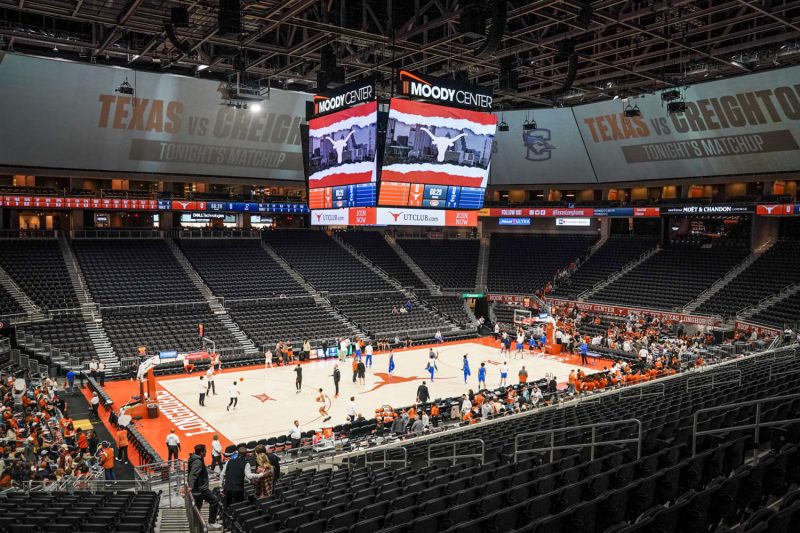
Oak View Group CEO Tim Leiweke was indicted on a federal criminal conspiracy charge related to allegedly rigging a bid to develop, manage, and operate the University of Texas’ basketball and entertainment arena in Austin, the Department of Justice said Wednesday.

Oak View Group, which will pay $15 million in penalties in connection with the allegations, later Wednesday said that Leiweke “will transition from the position of CEO to” vice chairman of the entertainment venue giant’s board of directors, and remain a shareholder.

Leiweke, 68, is accused in the indictment of conspiring with another would-be bidder on UT’s $338 million Moody Center arena project to induce that second company in February 2018 to drop out of the competition with Oak View Group in exchange for receiving lucrative subcontracts at the 15,000-seat arena.

CNBC has been told the second company was Legends Hospitality, a New York-based venue services company that is majority-owned by Sixth Street Partners, and whose minority owners include the New York Yankees and the Dallas Cowboys.

The indictment in U.S. District Court in Austin says that Leiweke later reneged on that promise to the second company after it dropped its effort to bid on the entire project.

“The arena opened to the public in April 2022, and OVG continues to receive significant revenues from the project to date,” the Department of Justice said Wednesday.

Leiweke “rigged a bidding process to benefit his own company and deprived a public university and taxpayers of the benefits of competitive bidding,” said Assistant Attorney General Abigail Slater of the DOJ’s Antitrust Division, in a statement.

Leweike, in a 2022 interview with CNBC, said that the Moody Center was one of his company’s “two most successful arenas.”

The DOJ also said Wednesday that Oak View Group and Legends agreed to pay $15 million and $1.5 million, respectively, in penalties “in connection with the conduct alleged in the indictment against Leiweke.”

Oak View Group’s website says that the company manages 400 sports, entertainment and other venues.

Lewieke, who is charged with one count of conspiracy to restrain trade, is the former CEO of Maple Leaf Sports and Entertainment. Before that, he served as CEO of Anschutz Entertainment Group.

A spokesman for Leiweke, in a statement to CNBC, said, “Mr. Leiweke has done nothing wrong and will vigorously defend himself and his well-deserved reputation for fairness and integrity.”

“The Antitrust Division’s allegations are wrong on the law and the facts, and the case should never have been brought,” the spokesman said. “The law is clear: vertical, complementary business partnerships, like the one contemplated between OVG and Legends, are legal.”

“These allegations blatantly ignore established legal precedent and seek to criminalize common teaming efforts that are proven to enhance competition and benefit the public. The Moody Center is a perfect example, as it has resulted in substantial and sustained benefits to the University of Texas and the City of Austin.”

Leiweke, in his own statement, said, “While I’m pleased the company has resolved its Department of Justice Antitrust Division inquiry without any charges filed or admission of wrongdoing, the last thing I want to do is distract from the accomplishments of the team or draw focus away from executing for our partners, so the Board and I decided that now is the right time to implement the succession plan that was already underway and transition out of the CEO role.

Oak View Group, in a statement, said, “Oak View Group cooperated fully with the Antitrust Division’s inquiry and is pleased to have resolved this matter with no charges filed against OVG and no admission of fault or wrongdoing.”

“We support all efforts to ensure a fair and competitive environment in our industry and are committed to upholding industry-leading compliance and disclosure practices,” Oak View Group said.

CNBC has requested comment from Legends.

Chris Granger, who was president of Oak View Group’s division OVG360, has been appointed as interim CEO of Oak View Group by the company’s board.

Granger previously was group president for sports and entertainment of the Detroit Tigers and Detroit Red Wings, and president and chief operating officer of the Sacramento Kings.

This post appeared first on NBC NEWS

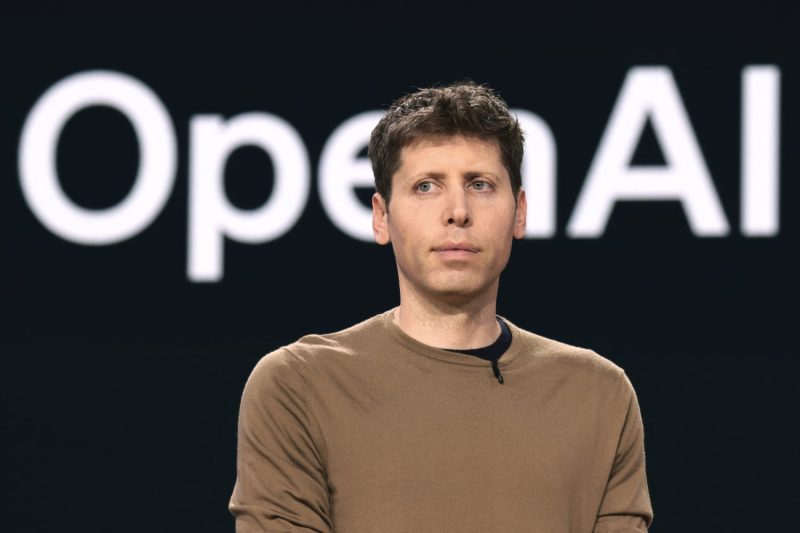
SAN FRANCISCO — OpenAI is close to releasing an AI-powered web browser that will challenge Alphabet’s market-dominating Google Chrome, three people familiar with the matter told Reuters.

The browser is slated to launch in the coming weeks, three of the people said, and aims to use artificial intelligence to fundamentally change how consumers browse the web. It will give OpenAI more direct access to a cornerstone of Google’s success: user data.

If adopted by the 500 million weekly active users of ChatGPT, OpenAI’s browser could put pressure on a key component of rival Google’s ad-money spigot. Chrome is an important pillar of Alphabet’s ad business, which makes up nearly three-quarters of its revenue, as Chrome provides user information to help Alphabet target ads more effectively and profitably, and also gives Google a way to route search traffic to its own engine by default.

OpenAI’s browser is designed to keep some user interactions within a ChatGPT-like native chat interface instead of clicking through to websites, two of the sources said.

The browser is part of a broader strategy by OpenAI to weave its services across the personal and work lives of consumers, one of the sources said.

OpenAI declined to comment. The sources declined to be identified because they are not authorized to speak publicly on the matter. Led by entrepreneur Sam Altman, OpenAI upended the tech industry with the launch of its AI chatbot ChatGPT in late 2022. After its initial success, OpenAI has faced stiff competition from rivals including Google and startup Anthropic, and is looking for new areas of growth.

In May, OpenAI said it would enter the hardware domain, paying $6.5 billion to buy io, an AI devices startup from Apple’s former design chief, Jony Ive. A web browser would allow OpenAI to directly integrate its AI agent products such as Operator into the browsing experience, enabling the browser to carry out tasks on behalf of the user, the people said.

The browser’s access to a user’s web activity would make it the ideal platform for AI “agents” that can take actions on their behalf, like booking reservations or filling out forms, directly within the websites they use.

OpenAI has its work cut out — Google Chrome, which is used by more than 3 billion people, currently holds more than two-thirds of the worldwide browser market, according to web analytics firm StatCounter. Apple’s second-place Safari lags far behind with a 16% share. Last month, OpenAI said it had 3 million paying business users for ChatGPT.

Perplexity, which has a popular AI search engine, launched an AI browser, Comet, on Wednesday, capable of performing actions on a user’s behalf. Two other AI startups, The Browser Company and Brave, have released AI-powered browsers capable of browsing and summarizing the internet.

Chrome’s role in providing user information to help Alphabet target ads more effectively and profitably has proven so successful that the Department of Justice has demanded its divestiture after a U.S. judge last year ruled that the Google parent holds an unlawful monopoly in online search.

OpenAI’s browser is built atop Chromium, Google’s own open-source browser code, two of the sources said. Chromium is the source code for Google Chrome, as well as many competing browsers including Microsoft’s Edge and Opera. Last year, OpenAI hired two longtime Google vice presidents who were part of the original team that developed Google Chrome. The Information was first to report their hires and that OpenAI previously considered building a browser.

An OpenAI executive testified in April that the company would be interested in buying Chrome if antitrust enforcers succeeded in forcing the sale. Google has not offered Chrome for sale. The company has said it plans to appeal the ruling that it holds a monopoly.

OpenAI decided to build its own browser, rather than simply a “plug-in” on top of another company’s browser, in order to have more control over the data it can collect, one source said.

This post appeared first on NBC NEWS

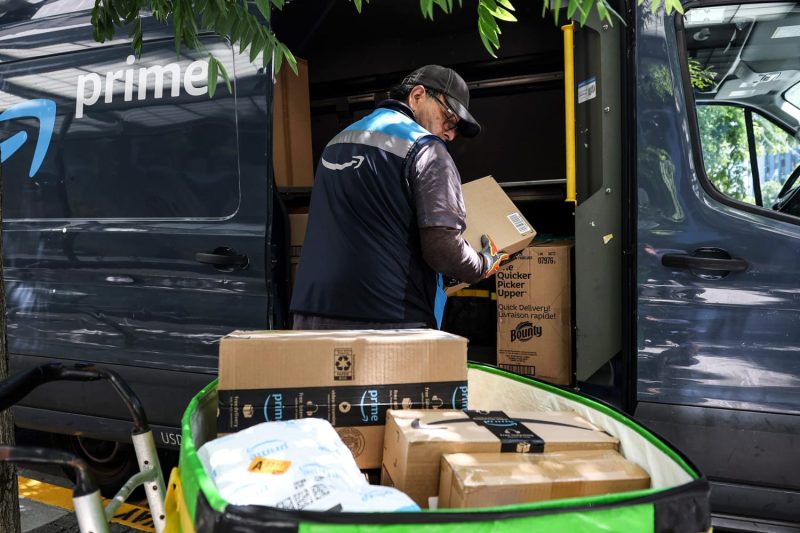
Amazon is extending its annual Prime Day sales and offering new membership perks to Gen Z shoppers amid tariff-related price worries and possibly some consumer boredom with an event marking its 11th year.

For the first time, Seattle-based Amazon is holding the now-misnamed Prime Day over four days. The e-commerce giant’s promised blitz of summer deals for Prime members started at 3:01 a.m. Eastern time on Tuesday and ends early Friday.

Amazon launched Prime Day in 2015 and expanded it to two days in 2019. The company said this year’s longer version would have deals dropping as often as every 5 minutes during certain periods.

Prime members ages 18-24, who pay $7.49 per month instead of the $14.99 that older customers not eligible for discounted rates pay for free shipping and other benefits, will receive 5% cash back on their purchases for a limited time.

Amazon executives declined to comment on the potential impact of tariffs on Prime Day deals. The event is taking place two and a half months after an online news report sparked speculation that Amazon planned to display added tariff costs next to product prices on its website.

White House Press Secretary Karoline Leavitt denounced the purported change as a “hostile and political act” before Amazon clarified the idea had been floated for its low-cost Haul storefront but never approved.

Amazon’s past success with using Prime Day to drive sales and attract new members spurred other major retail chains to schedule competing sales in July. Best Buy, Target and Walmart are repeating the practice this year.

Like Amazon, Walmart is adding two more days to its promotional period, which starts Tuesday and runs through July 13. The nation’s largest retailer is making its summer deals available in stores as well as online for the first time.

Here’s what to expect:

Amazon expanded Prime Day this year because shoppers “wanted more time to shop and save,” Amazon Prime Vice President Jamil Ghani recently told The Associated Press.

Analysts are unsure the extra days will translate into more purchases given that renewed inflation worries and potential price increases from tariffs may make consumers less willing to spend. Amazon doesn’t disclose Prime Day sales figures but said last year that the event achieved record global sales.

Adobe Digital Insights predicts that the sales event will drive $23.8 billion in overall online spending from July 8 to July 11, 28.4% more than the similar period last year. In 2024 and 2023, online sales increased 11% and 6.1% during the comparable four days of July.

Vivek Pandya, lead analyst at Adobe Digital Insights, noted that Amazon’s move to stretch the sales event to four days is a big opportunity to “really amplify and accelerate the spending velocity.”

Caila Schwartz, director of consumer insights and strategy at software company Salesforce, noted that July sales in general have lost some momentum in recent years. Amazon is not a Salesforce Commerce Cloud customer, so the business software company doesn’t have access to the online giant’s e-commerce sales and so is not privy to Prime Day figures.

“What we saw last year was that (shoppers) bought and then they were done, ” Schwartz said. “We know that the consumer is still really cautious. So it’s likely we could see a similar pattern where they come out early, they’re ready to buy and then they take a step back.”

Amazon executives reported in May that the company and many of its third-party sellers tried to beat big import tax bills by stocking up on foreign goods before President Donald Trump’s tariffs took effect. And because of that move, a fair number of third-party sellers hadn’t changed their pricing at that time, Amazon said.

Adobe Digital Insights’ Pandya expects discounts to remain on par with last year and for other U.S. retail companies to mark 10% to 24% off the manufacturers’ suggested retail price between Tuesday and Friday.

Salesforce’s Schwartz said she’s noticed retailers becoming more precise with their discounts, such as offering promotion codes that apply to selected products instead of their entire websites.

Amazon Prime and other July sales have historically helped jump-start back-to-school spending and encouraged advance planners to buy other seasonal merchandise earlier. Analysts said they expected U.S. consumers to make purchases this week out of fear that tariffs will make items more expensive later.

Brett Rose, CEO of United National Consumer Supplies, a wholesale distributor of overstocked goods like toys and beauty products, thinks shoppers will go for items like beauty essentials.

“They’re going to buy more everyday items,” he said.

As in past years, Amazon offered early deals leading up to Prime Day. For the big event, Amazon said it would have special discounts on Alexa-enabled products like Echo, Fire TV and Fire tablets.

Walmart said its July sale would include a 32-inch Samsung smart monitor priced at $199 instead of $299.99; and $50 off a 50-Inch Vizio Smart TV with a standard retail price of $298.00. Target said it was maintaining its 2024 prices on key back-to-school items, including a $5 backpack and a selection of 20 school supplies totaling less than $20.

Independent businesses that sell goods through Amazon account for more than 60% of the company’s retail sales. Some third-party sellers are expected to sit out Prime Day and not offer discounts to preserve their profit margins during the ongoing tariff uncertainty, analysts said.

Rose, of United National Consumer Supplies, said he spoke with third-party sellers who said they would rather take a sales hit this week than use up a lot of their pre-tariffs inventory now and risk seeing their profit margins suffer later.

However, some independent businesses that market their products on Amazon are looking to Prime Day to make a dent in the inventory they built up earlier in the year to avoid tariffs.

Home fragrance company Outdoor Fellow, which makes about 30% of its sales through Amazon’s marketplace, gets most of its candle lids, labels, jars, reed diffusers and other items from China, founder Patrick Jones said. Fearing high costs from tariffs, Jones stocked up at the beginning of the year, roughly doubling his inventory.

For Prime Day, he plans to offer bigger discounts, such as 32% off the price of a candle normally priced at $34, Jones said.

“All the product that we have on Amazon right now is still from the inventory that we got before the tariffs went into effect,” he said. “So we’re still able to offer the discount that we’re planning on doing.”

Jones said he was waiting to find out if the order he placed in June will incur large customs duties when the goods arrive from China in a few weeks.

This post appeared first on NBC NEWS

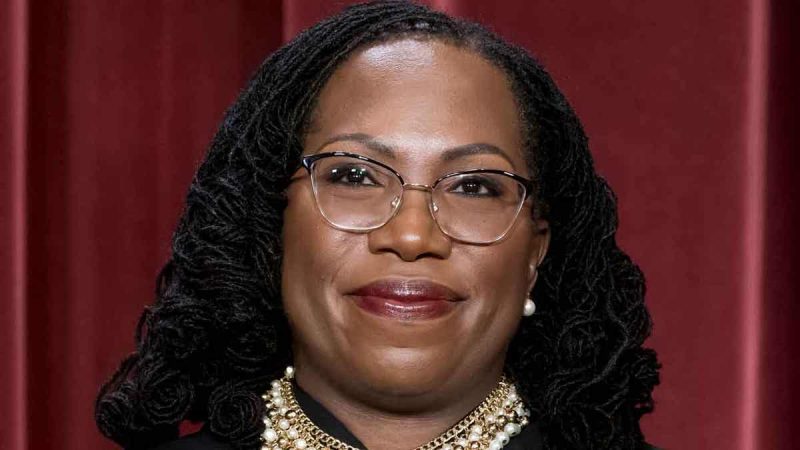
Justice Ketanji Brown Jackson’s dissent in a Supreme Court order handed down on Tuesday stood out enough that it prompted one of her liberal colleagues to voice disagreement with her.

Justice Sonia Sotomayor, an appointee of former President Barack Obama, said in a brief concurrence that the high court’s 8-1 order clearing the way for President Donald Trump to continue downsizing the government was the right decision.

‘I agree with Justice Jackson that the President cannot restructure federal agencies in a manner inconsistent with congressional mandates,’ Sotomayor wrote. ‘Here, however, the relevant Executive Order directs agencies to plan reorganizations and reductions in force ‘consistent with applicable law’ … and the resulting joint memorandum from the Office of Management and Budget and Office of Personnel Management reiterates as much.’

Sotomayor’s remarks were included as part of a short two-page order from the Supreme Court saying the executive order Trump signed in February directing federal agencies to plan for ‘large-scale reductions in force (RIFs), consistent with applicable law’ was likely lawful.

The Supreme Court said it had no opinion at this stage on the legality of any actual job cuts and that that question was not before the high court.

But Jackson felt differently, according to her 15-page dissent affixed to the order.

Jackson, the most junior justice and an appointee of former President Joe Biden, said a lower court judge was right to pause any further reductions to the federal workforce. Jackson lectured her colleagues for thinking otherwise.

‘That temporary, practical, harm-reducing preservation of the status quo was no match for this Court’s demonstrated enthusiasm for greenlighting this President’s legally dubious actions in an emergency posture,’ Jackson said.

Any future government downsizing would come on top of thousands of government employees already losing their jobs or opting to accept buy-out plans as part of Trump’s stated goals to scale down the federal government and make it run more efficiently.

The Supreme Court’s order arose from a lawsuit brought by labor organizations and nonprofits, who alleged that the president’s decision to dramatically slash the federal workforce infringed on Congress’s authority over approving and funding government jobs.

The order was issued on an emergency basis and is only temporary. It will remain in place while the Trump administration appeals the lawsuit in the U.S. Court of Appeals for the Ninth Circuit.

This post appeared first on FOX NEWS

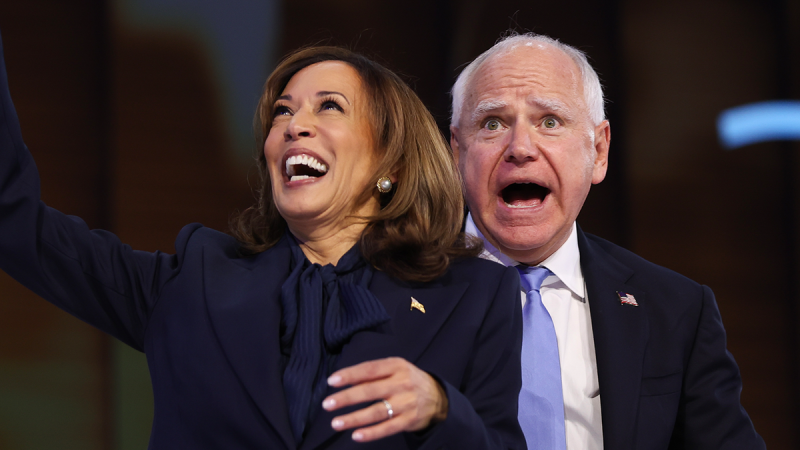
A new book on the end of Joe Biden’s presidential campaign and the birth of Kamala Harris’ sheds light on the process behind the vice president choosing Minnesota Gov. Tim Walz as her running mate, a decision widely panned by pundits in retrospect. 

‘2024: How Trump Retook the White House and the Democrats Lost America,’ released Tuesday by journalists Josh Dawsey of The Wall Street Journal, Tyler Pager of The New York Times and Isaac Arnsdor of The Washington Post, described a vetting process that came down to three finalists: Walz, Pennsylvania Gov. Josh Shapiro and Arizona Sen. Mark Kelly.

All three candidates did a final interview with Harris at her residence, the book explains, adding that when asked what they wanted to drink, Shapiro and Kelly chose water while Walz chose Diet Mountain Dew.

Appeal with rural voters was a top priority for the Harris ticket and the book states that Harris’s advisors felt that Walz was the best candidate to do that. 

‘Pelosi privately pushed for him too, because she’d worked with him in Congress,’ the book said about the former House speaker. ‘The pitch for Walz was straightforward: He could appeal to white voters across the Blue Wall states (Wisconsin, Michigan, and Pennsylvania) and hopefully help Harris with male voters. He’d never lost election.’

While most political experts felt Shapiro, governor of a key swing state, was the most logical choice, the book states that the interview with Harris and Shapiro ‘revealed the two were not a perfect match.’

‘He came across as overly ambitious, pushing Harris to define what his role would be. He also conceded it would not be natural for him to serve as someone’s number two, leaving Harris with a bad impression,’ the book states. 

Conversely, the authors explain that Walz was ‘deferential’ while ‘showing no interest in himself’ and ‘flatly denied any interest in running for president.’

‘He went so far as to proactively volunteer reasons why she might not want to pick him,’ the book says. ‘In his interview that Friday, he said he had never used a teleprompter before. On Sunday, he told Harris, ‘I would understand if you went with someone else because I’m really nervous about the debate, and I don’t think I’ll do well.’ Still, the vetting team did not fully appreciate his tendency to misspeak, his folksiness sometimes tipping into factual imprecision.’

Walz would ultimately draw intense scrutiny on the campaign trail for his ‘folksiness’ with a series of blunders, including his characterization of his military service and a claim he was present at the Tiananmen Square massacre. 

The book says Harris ‘struggled’ deciding between Shapiro and Walz, believing that she had a better ‘rapport’ with Walz but understood the importance of Pennsylvania. Harris’ team, according to the book, told her that polling did not offer a clear answer as to which of the two candidates would help the ticket more.

‘There was no empirical evidence that Shapiro would deliver Pennsylvania and with it the White House,’ the book said. 

As Shapiro was being considered, many pundits speculated that his staunch support of Israel could be an issue given the progressive wing of the Democratic Party being vocally pro-Palestinian, resulting in protests, sometimes violent, across the country after Oct. 7.

The book said the Harris campaign was aware of that issue. 

‘Much of the progressive wing of the Democratic Party declared war on Shapiro, largely because of his support of Israel,’ the book said. ‘Some Shapiro allies saw the criticism as deeply unfair and borderline antisemitic, since the governor was an observant Jew, but his positions on the Palestinian conflict broadly aligned with the Biden administration and the other vice presidential contenders. The lawyers vetting Shapiro did flag some comments they viewed as more incendiary, particularly as it related to pro- Palestinian protests on college campuses after the October 7 attacks.’

‘One that caught their attention was his commentary on CNN from April: ‘We have to query whether or not we would tolerate this, if this were people dressed up in KKK outfits or KKK regalia, making comments about people who are African American in our communities.’’

Ultimately, the book says Harris ‘went with her gut’ and chose Walz believing he was the ‘better fit’ in a decision her staff was ‘unanimously behind.’

Fox News Digital reached out to the offices of Walz and Shapiro for comment. 

After losing every battleground state and ultimately the presidency to Donald Trump, critics were quick to judge the Walz pick as a misstep by Harris. 

‘The choice of Walz was only one of many disastrous mistakes but symptomatic of one larger problem – the Democratic Party leadership is too scared to say no to the hard-left progressive wing of the party,’ Julian Epstein, longtime Democratic operative and former chief counsel to the House Judiciary Committee, told Fox News Digital shortly after the election. 

Rob Bluey, president and executive editor of The Daily Signal, told Fox News Digital in November that Harris picking Walz ‘proved to be a disastrous decision that doomed Kamala Harris from the moment she made it.’

‘Not only was Walz ill-prepared for the national spotlight and media scrutiny, but Harris passed over several better options,’ Bluey said. ‘Given how little Americans knew about Harris or her policy positions, they were right to question her judgment on this big decision.’

This post appeared first on FOX NEWS

A Senate Republican wants to give the U.S. a leg up in its race against China and to ween the nation off of its reliance on imports of key raw materials needed for weapons systems.

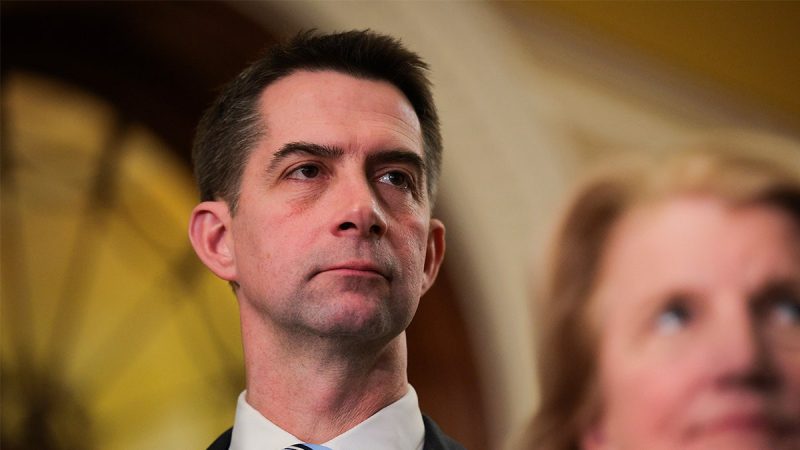
Sen. Tom Cotton, R-Ark., would like to fast-track the harvesting of raw materials in the U.S. needed for the nation’s defensive capabilities, and plans to blow through federal and judicial red tape to do it.

Cotton plans to introduce legislation that would allow critical mineral mining projects deemed necessary to bolster the nation’s military and defensive readiness by Secretary of Defense Pete Hegseth to skirt environmental laws and possible blockages by the courts.

His bill is designed to give the U.S. an edge against China, the world’s largest producer of critical minerals like cobalt, lithium, graphite and other rare earth minerals used in weapons systems, electric vehicles and consumer electronics.

Currently, China produces roughly 60% of the world’s critical mineral supply, and processes up to 90%.

‘Current environmental laws put our readiness to counter Communist China at risk and waste taxpayer dollars on projects that stall out and die on the vine,’ Cotton said in a statement to Fox News Digital. ‘This bill will create jobs, better arm and prepare our soldiers, and spend taxpayer dollars more efficiently.’

Cotton’s bill, dubbed the Necessary Environmental Exemptions for Defense Act, would create a waiver for mining activities and projects related to countering China and to allow the Pentagon to ‘operate with maximum agility and efficiency to ensure it is prepared to deter and, if necessary, fight and win a conflict with the Chinese Communist Party,’ according to bill text first obtained by Fox News Digital.

Among the regulations and environmental review standards that could be skirted with the waiver are the National Environmental Policy Act, Endangered Species Act, Marine Mammal Protection Act and Federal Water Pollution Control Act.

Cotton argued in his legislation that the aforementioned regulations ‘frequently and unnecessarily delay’ the preparedness of the military without ‘substantial benefit to the environment or protected species,’ and that time is of the essence when it comes to national defense.

The projects that would fall under the umbrella of the regulation exemption include testing and production and deployment of technologies, systems or equipment and the construction, maintenance, expansion, or repair of facilities or Defense Department infrastructure, among others.

It would also prevent projects from being snarled in the courts, as long as the initiative is deemed necessary for military preparedness by the Secretary of Defense.

The bill fits into the White House’s broader plan to jump-start critical mineral mining in the country, be it through executive action, a bid to buy Greenland, a minerals agreement with Ukraine, or opening up more offshore mining in the Gulf of America.

It also comes after President Donald Trump reached a deal with Chinese President Xi Jinping to resume trade of critical minerals after shipments were stopped earlier this year following the White House’s slew of tariffs against China and other countries. 

This post appeared first on FOX NEWS

The Trump administration landed a legal victory on Monday after a federal judge allowed the Department of Justice (DOJ) to rescind nearly $800 million dollars in grants for programs supporting violence reduction and crime victims.

U.S. District Judge Amit Mehta in Washington denied a preliminary injunction that five organizations sought against the DOJ’s cancellation of more than 360 grant awards and granted a motion to dismiss the case. 

Metha described the DOJ’s actions as ‘shameful’ in his ruling, though he ultimately declared that the court lacked jurisdiction and the organizations had failed to state a constitutional violation or protection.

‘Defendants’ rescinding of these awards is shameful. It is likely to harm communities and individuals vulnerable to crime and violence,’ Mehta wrote. ‘But displeasure and sympathy are not enough in a court of law.’

The DOJ’s Office of Justice Programs canceled more than $800 million in grants in April as part of what it called a priority shift to include more direct support to certain law enforcement operations, combat violent crime and support American victims of trafficking and sexual assault.

Democracy Forward Foundation and the Perry Law firm filed the lawsuit, arguing the grant terminations did not allow due process, lacked sufficient clarity and violated the constitutional separation of powers clause that gives Congress appropriation powers.

The loss of the federal money triggered layoffs, program closures and loss of community partnerships, according to many of the organizations that had the grants rescinded.

The Justice Department argued in a court filing that there was ‘no legal basis for the Court to order DOJ to restore lawfully terminated grants and keep paying for programs that the Executive Branch views as inconsistent with the interests of the United States.’

Noting that it intended to redirect the grant funds, it called the suit a ‘run-of-the mill contract dispute’ and said it belonged in a different court.

The Associated Press contributed to this report.

This post appeared first on FOX NEWS

Former White House physician Kevin O’Connor’s closed-door interview with the House Oversight Committee ended after less than an hour on Wednesday morning, with the doctor giving investigators virtually no new insights.

O’Connor pleaded the Fifth Amendment to multiple questions about his time with former President Joe Biden during his sit-down. It resulted in a hasty end to what could have been an hours-long deposition.

‘I’m going to read the first two questions that were asked. ‘Were you ever told to lie about the president’s health?’ He pleaded the Fifth Amendment. He would not answer that question. The second question, ‘Did you ever believe President Biden was unfit to execute his duty?” House Oversight Committee Chairman James Comer, R-Ky., told reporters after the meeting.

‘Again, President Biden’s White House physician pled the fifth. This is unprecedented, and I think that this adds more fuel to the fire that there was a cover-up.’

The doctor’s lawyers said O’Connor’s refusal to answer questions on Fifth Amendment grounds was not an admission of guilt, but rather a response to what they saw as an unprecedented investigatory scope that could have violated the bounds of patient-physician privilege.

‘This Committee has indicated to Dr. O’Connor and his attorneys that it does not intend to honor one of the most well-known privileges in our law – the physician patient privilege. Instead, the Committee has indicated that it will demand that Dr. O’Connor reveal, without any limitations, confidential information regarding his medical examinations, treatment, and care of President Biden,’ the attorney statement said.

‘Revealing confidential patient information would violate the most fundamental ethical duty of a physician, could result in revocation of Dr. O’Connor’s medical license, and would subject Dr. O’Connor to potential civil liability. Dr. O’Connor will not violate his oath of confidentiality to any of his patients, including President Biden.’

The House Oversight Committee has been investigating whether Biden’s former top aides covered up evidence of his mental and physical decline while in office. Biden’s allies have denied such allegations.

But Comer suggested to reporters that O’Connor’s invocation of the Fifth Amendment could have been evidence to the contrary.

‘Most people invoke the fifth when they have criminal liability. And so that’s what would appear on the surface here,’ he said. ‘We’re going to continue to move forward. Obviously, I think his actions today speak loud and clear.’

But O’Connor’s lawyers wrote in their statement, ‘We want to emphasize that asserting the Fifth Amendment privilege does not imply that Dr. O’Connor has committed any crime. In fact, to the contrary, as our Supreme Court has emphasized: ‘One of the Fifth Amendment’s basic functions is to protect
innocent men who otherwise might be ensnared by ambiguous circumstances.”

Meanwhile, Rep. Jasmine Crockett, D-Texas, who made a surprise appearance at the interview and was the only lawmaker there, save for Comer, defended O’Connor’s use of the Fifth Amendment.

‘As someone who has served as a criminal defense attorney and actually been in courtrooms, it’s kind of astounding to hear someone say, if you invoke the Fifth Amendment, that is only because you are guilty,’ Crockett said. 

She pointed out that the Trump administration had launched a contemporaneous criminal probe.

‘We have a constitutional right that anyone who may be under fire can invoke. And unfortunately, with this rogue DOJ, it has decided that it wants to run a contemporaneous investigation, criminal investigation, involving the doctor – I think he did what any good lawyer would advise him to do,’ Crockett said.

O’Connor’s lawyers have asked the committee to pause its investigation while the Department of Justice (DOJ) probe is underway.

He and his legal team appeared to catch reporters by surprise with their hasty exit on Wednesday morning, roughly thirty minutes after entering.

One of O’Connor’s lawyers said they would be making ‘no comments to press’ in response to a shouted question by Fox News Digital.

Comer, for his part, insisted the investigation would go on.

‘This is something I think every American is concerned about. I think that the American people want to know the truth. We’re going to continue this investigation. We’ll move forward,’ Comer said. ‘We have several other witnesses that are going to come in for depositions and transcribed interviews. We will do everything in our ability to be transparent with the media and be transparent with the American people.’

The committee previously interviewed former Biden staff secretary Neera Tanden. Comer has summoned several other ex-White House aides to appear.

This post appeared first on FOX NEWS